


Subtotal $0.00


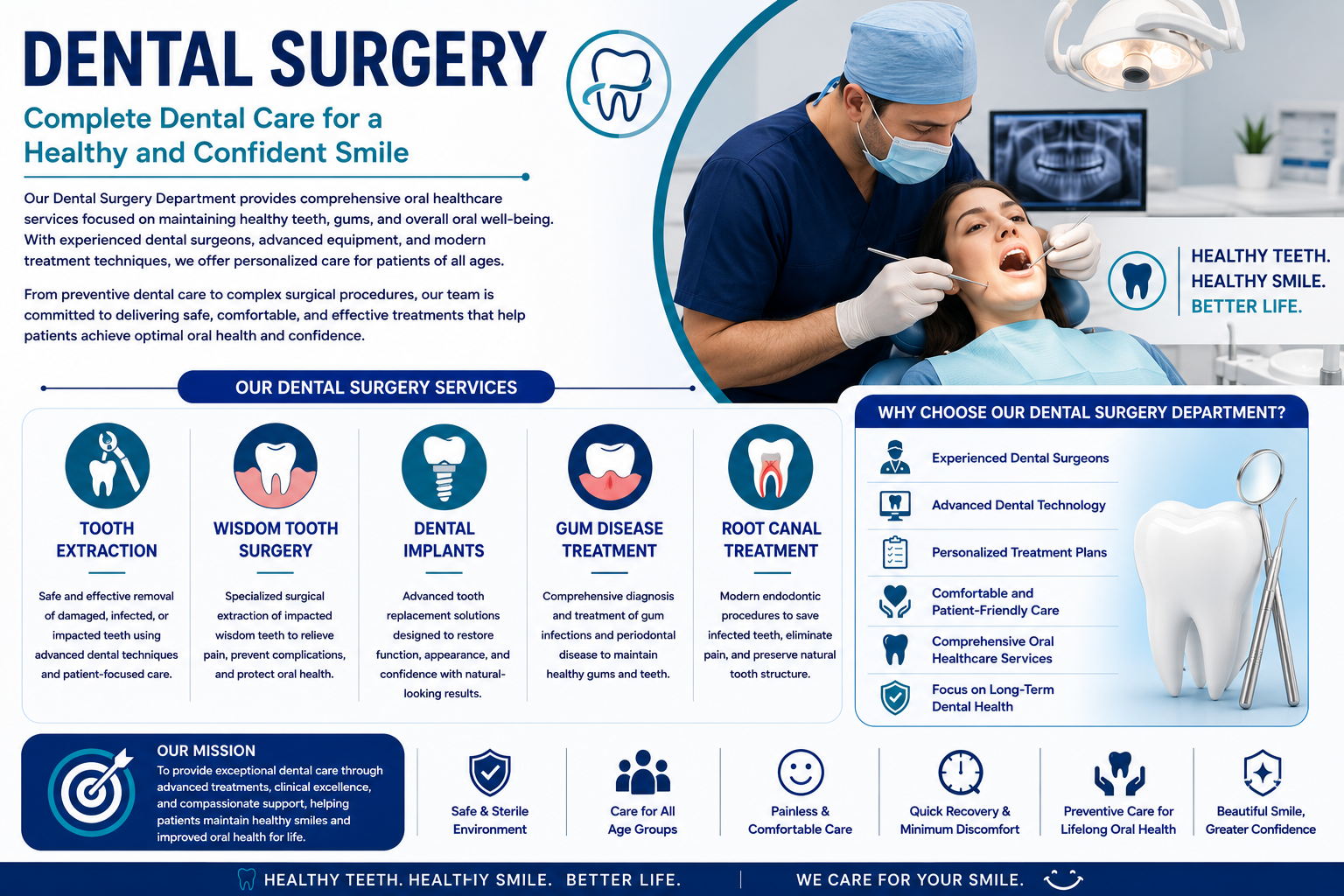
Dental Surgery: A Complete Guide to Restoring Oral Health
A healthy smile is essential not only for appearance but also for overall health and confidence. Dental problems such as damaged teeth, impacted wisdom teeth, gum disease, or missing teeth can affect eating, speaking, and daily comfort. When routine dental treatments are not enough, dental surgery provides effective solutions to restore oral health and improve quality of life.
Modern dental surgery combines advanced technology, minimally invasive techniques, and personalized care to ensure safe, comfortable, and successful treatment outcomes.
What is Dental Surgery?
Dental surgery refers to a range of surgical procedures performed on the teeth, gums, jawbone, and surrounding oral structures. These procedures are carried out by qualified dental surgeons or oral and maxillofacial surgeons to treat diseases, injuries, infections, and structural problems of the mouth.
Dental surgery aims to:
- Relieve pain
- Treat oral infections
- Restore damaged teeth
- Replace missing teeth
- Improve chewing and speech
- Enhance facial appearance
- Maintain long-term oral health
Who May Need Dental Surgery?
You may require dental surgery if you experience:
- Severe tooth pain
- Impacted wisdom teeth
- Missing teeth
- Advanced gum disease
- Broken or fractured teeth
- Jaw injuries
- Oral cysts or tumors
- Chronic dental infections
- Difficulty chewing
- Loose teeth due to bone loss
Common Types of Dental Surgery
Tooth Extraction
Tooth extraction is performed when a tooth cannot be saved due to:
- Severe decay
- Infection
- Trauma
- Overcrowding
- Advanced gum disease
Simple or surgical extraction may be recommended depending on the tooth’s condition.
Wisdom Tooth Removal
Wisdom teeth often become impacted because there is insufficient space in the jaw.
Removal is recommended if they cause:
- Pain
- Swelling
- Infection
- Damage to nearby teeth
- Difficulty opening the mouth
Early removal can prevent future complications.
Dental Implants
Dental implants are considered one of the most effective solutions for replacing missing teeth.
An implant consists of:
- Titanium implant placed into the jawbone
- Abutment
- Artificial crown
Benefits include:
- Natural appearance
- Strong chewing ability
- Long-lasting results
- Preservation of jawbone
Gum Surgery
Gum surgery treats advanced periodontal disease and helps restore healthy gum tissue.
Common procedures include:
- Flap surgery
- Gum grafting
- Pocket reduction surgery
- Regenerative procedures
Root-End Surgery (Apicoectomy)
When conventional root canal treatment fails, an apicoectomy removes the infected root tip while preserving the tooth.
Jaw Surgery
Corrective jaw surgery addresses structural abnormalities such as:
- Jaw misalignment
- Facial asymmetry
- Bite problems
- Jaw injuries
This procedure improves both function and facial appearance.
Bone Grafting
Patients with insufficient jawbone for dental implants may require bone grafting to rebuild bone and support future implant placement.
Conditions Treated with Dental Surgery
Dental surgery is commonly performed to treat:
- Tooth decay
- Impacted teeth
- Gum disease
- Dental abscess
- Broken teeth
- Missing teeth
- Jaw fractures
- Oral cysts
- Benign oral tumors
- Congenital jaw abnormalities
Symptoms That May Require Dental Surgery
Consult a dental surgeon if you experience:
- Persistent toothache
- Swollen gums
- Bleeding gums
- Loose teeth
- Difficulty chewing
- Jaw pain
- Facial swelling
- Bad breath despite oral hygiene
- Pus around teeth or gums
- Difficulty opening the mouth
Early diagnosis helps prevent more serious oral complications.
Diagnosis Before Dental Surgery
Before recommending surgery, your dentist may perform:
- Comprehensive oral examination
- Dental X-rays
- Digital panoramic imaging
- CBCT (Cone Beam CT Scan)
- Gum assessment
- Bite evaluation
- Medical history review
These investigations help create a personalized treatment plan.
How Dental Surgery is Performed
The procedure depends on the type of surgery but generally includes:
- Clinical examination and diagnosis
- Administration of local anesthesia or sedation
- Surgical treatment of the affected area
- Cleaning and repair of tissues
- Placement of implants or grafts if required
- Suturing the surgical site
- Post-operative instructions and medications
Most dental surgeries are performed as outpatient procedures, allowing patients to return home the same day.
Benefits of Dental Surgery
Modern dental surgery offers numerous advantages, including:
- Relief from pain
- Elimination of infection
- Improved chewing ability
- Better speech
- Enhanced smile and confidence
- Restoration of missing teeth
- Prevention of further oral damage
- Improved gum health
- Better overall quality of life
Recovery After Dental Surgery
Recovery varies depending on the procedure performed.
First 24 Hours
- Mild swelling
- Slight bleeding
- Rest is recommended
- Use prescribed medications
First Week
- Gradual healing
- Reduced discomfort
- Soft diet recommended
Two to Six Weeks
Most patients resume normal eating and daily activities, although complete healing for implants or bone grafts may take several months.
Post-Surgical Care Tips
For faster healing:
- Follow your dentist’s instructions carefully.
- Take prescribed medications on time.
- Apply ice packs to reduce swelling.
- Eat soft, nutritious foods.
- Avoid smoking and alcohol.
- Do not use straws for the first few days after extractions.
- Maintain good oral hygiene without disturbing the surgical site.
- Attend all follow-up appointments.
Possible Risks and Complications
Dental surgery is generally safe when performed by experienced professionals. However, possible complications include:
- Infection
- Bleeding
- Swelling
- Dry socket after extraction
- Temporary numbness
- Delayed healing
- Implant failure (rare)
- Sinus complications (upper jaw procedures)
Following post-operative care instructions significantly reduces these risks.
Preventing Future Dental Problems
Good oral hygiene helps reduce the need for future dental surgery.
Maintain healthy teeth by:
- Brushing twice daily with fluoride toothpaste
- Flossing every day
- Limiting sugary foods and drinks
- Visiting your dentist every six months
- Avoiding tobacco products
- Wearing a mouthguard during sports if needed
Why Choose Professional Dental Surgery?
Modern dental surgery uses advanced imaging, precision techniques, and high-quality materials to deliver safe and predictable results. Whether you need a simple tooth extraction or full-mouth rehabilitation with dental implants, expert surgical care can restore your oral health, improve your smile, and enhance your overall well-being.
If you are experiencing persistent dental pain, swelling, or missing teeth, consult a qualified dental surgeon for a thorough evaluation and personalized treatment plan.
Frequently Asked Questions (FAQs)
Is dental surgery painful?
Most dental surgeries are performed under local anesthesia or sedation, making the procedure comfortable. Mild discomfort after surgery is usually managed with prescribed medications.
How long does recovery take?
Recovery depends on the procedure. Simple extractions may heal within a few days, while dental implants or bone grafts can take several months for complete healing.
Can I eat after dental surgery?
Yes, but you should stick to soft foods for the first few days and avoid hot, spicy, or hard foods until your dentist advises otherwise.
How successful are dental implants?
Dental implants have a success rate of over 95% when placed by experienced dental professionals and maintained with good oral hygiene.
When should wisdom teeth be removed?
Wisdom teeth are usually removed if they are impacted, causing pain, infection, crowding, or damage to adjacent teeth.
How can I avoid needing dental surgery?
Regular dental check-ups, proper brushing and flossing, a healthy diet, and early treatment of dental issues can help prevent many conditions that require surgery.

