


Subtotal $0.00


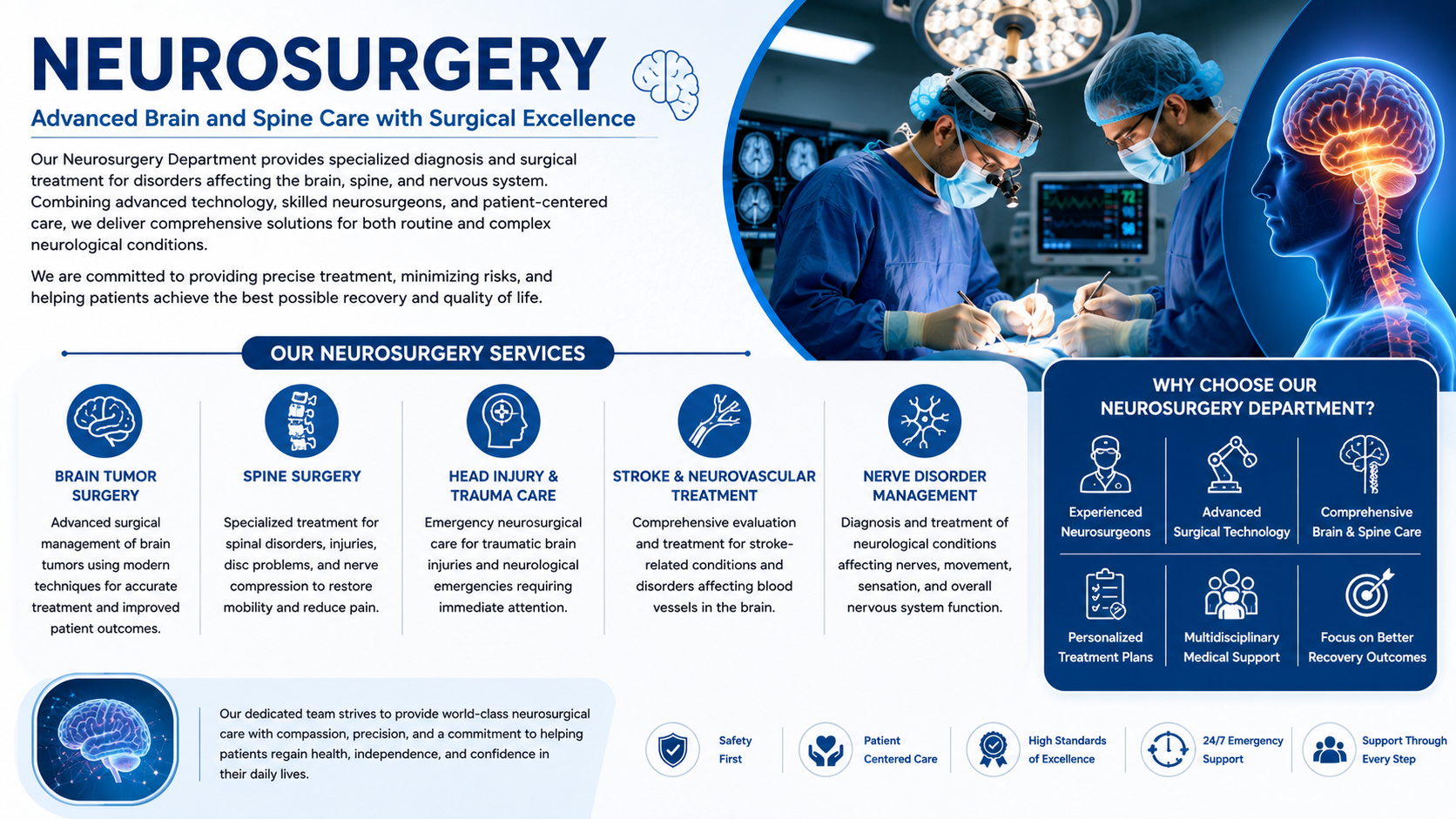
Neurosurgery: A Comprehensive Guide to Brain and Spine Surgery
The brain, spinal cord, and nerves form the body’s central nervous system, controlling everything from movement and sensation to memory, speech, and vital functions. Disorders affecting these structures can significantly impact daily life and, in some cases, become life-threatening. Neurosurgery offers advanced surgical solutions to diagnose, treat, and manage conditions involving the brain, spine, and peripheral nerves.
Modern neurosurgery combines cutting-edge imaging, minimally invasive techniques, microsurgery, neuronavigation, and highly specialized expertise to achieve safer procedures, faster recovery, and improved patient outcomes.
What is Neurosurgery?
Neurosurgery is a specialized branch of medicine focused on the surgical treatment of disorders affecting the:
- Brain
- Spinal cord
- Spine
- Peripheral nerves
- Blood vessels supplying the brain and spinal cord
A neurosurgeon is trained to diagnose and treat both emergency and elective neurological conditions using advanced surgical techniques.
Who May Need Neurosurgery?
You may need to consult a neurosurgeon if you experience:
- Persistent severe headaches
- Chronic neck or back pain
- Numbness or tingling in the arms or legs
- Weakness in the limbs
- Difficulty walking or maintaining balance
- Seizures
- Brain or spinal tumors
- Head or spinal injuries
- Loss of bladder or bowel control
- Stroke-related complications
- Facial pain due to nerve disorders
Early evaluation can help prevent permanent neurological damage.
Conditions Treated by Neurosurgery
Neurosurgeons manage a wide range of neurological disorders, including:
Brain Tumors
Both benign and malignant tumors affecting the brain may require surgical removal to relieve pressure and improve neurological function.
Spinal Disorders
Common spinal conditions include:
- Herniated (slipped) disc
- Spinal stenosis
- Degenerative disc disease
- Spinal fractures
- Scoliosis
- Spondylolisthesis
Surgery may be recommended when conservative treatments fail.
Stroke and Brain Aneurysms
Neurosurgery can treat:
- Brain aneurysms
- Arteriovenous malformations (AVMs)
- Hemorrhagic stroke
- Brain hemorrhage
Prompt intervention can be lifesaving.
Traumatic Brain Injury
Head injuries resulting from road accidents, falls, or sports injuries may require emergency neurosurgical procedures to relieve pressure or repair damaged structures.
Spinal Cord Injury
Spinal trauma can lead to paralysis or nerve damage. Surgery helps stabilize the spine and reduce pressure on the spinal cord.
Hydrocephalus
Excess fluid accumulation in the brain may be treated using shunt placement or endoscopic procedures.
Epilepsy
Patients with drug-resistant epilepsy may benefit from specialized epilepsy surgery to reduce or eliminate seizures.
Peripheral Nerve Disorders
Conditions treated include:
- Carpal Tunnel Syndrome
- Ulnar nerve compression
- Peripheral nerve injuries
- Trigeminal Neuralgia
Common Neurosurgical Procedures
Brain Tumor Surgery (Craniotomy)
A craniotomy involves temporarily removing a portion of the skull to safely access and remove brain tumors or treat other brain conditions.
Spine Surgery
Common spine procedures include:
- Discectomy
- Laminectomy
- Spinal Fusion
- Artificial Disc Replacement
- Minimally Invasive Spine Surgery
These procedures relieve nerve compression and restore spinal stability.
Aneurysm Clipping
A small metal clip is placed around a brain aneurysm to prevent rupture and bleeding.
Endoscopic Brain Surgery
Using specialized cameras and instruments, surgeons perform minimally invasive procedures through small openings, reducing recovery time.
Deep Brain Stimulation (DBS)
DBS is used to manage movement disorders such as:
- Parkinson’s disease
- Essential tremor
- Dystonia
Small electrodes are implanted in specific areas of the brain to regulate abnormal nerve signals.
Shunt Surgery
A ventricular shunt diverts excess cerebrospinal fluid in patients with hydrocephalus.
Symptoms That Should Never Be Ignored
Seek immediate medical attention if you experience:
- Sudden severe headache
- Loss of consciousness
- Sudden weakness on one side of the body
- Difficulty speaking
- Seizures
- Persistent vomiting with headache
- Vision changes
- Difficulty walking
- Loss of coordination
- Severe back pain with numbness or bladder problems
These symptoms may indicate a neurological emergency requiring urgent evaluation.
Diagnosis Before Neurosurgery
To accurately diagnose neurological conditions, a neurosurgeon may recommend:
- Neurological examination
- MRI Scan
- CT Scan
- CT Angiography
- MR Angiography
- Spine Imaging
- EEG (Electroencephalogram)
- EMG (Electromyography)
- Nerve Conduction Studies
- Blood Investigations
Advanced imaging helps determine the safest and most effective treatment plan.
How Neurosurgery is Performed
The exact procedure depends on the condition being treated but generally includes:
- Comprehensive neurological evaluation
- Diagnostic imaging and treatment planning
- Administration of general anesthesia
- Surgical access to the affected area
- Microsurgical or minimally invasive treatment
- Continuous monitoring of neurological function
- Closure and post-operative observation
Many procedures now utilize computer-assisted navigation and operating microscopes for greater precision.
Benefits of Neurosurgery
When appropriately indicated, neurosurgery can provide:
- Relief from chronic pain
- Removal of tumors
- Improved nerve function
- Prevention of paralysis
- Reduced seizure frequency
- Restoration of mobility
- Improved quality of life
- Better balance and coordination
- Reduced risk of neurological complications
Recovery After Neurosurgery
Recovery depends on the type of surgery and the patient’s overall health.
Immediately After Surgery
- Intensive monitoring
- Pain management
- Neurological assessment
- Early mobilization when appropriate
First Few Weeks
- Gradual improvement in strength
- Physiotherapy or rehabilitation if required
- Regular follow-up visits
Long-Term Recovery
Some patients recover within weeks, while others may require several months of rehabilitation, especially after complex brain or spinal procedures.
Rehabilitation After Neurosurgery
Recovery often includes:
- Physiotherapy
- Occupational therapy
- Speech therapy
- Cognitive rehabilitation
- Pain management
- Balance and coordination exercises
A multidisciplinary rehabilitation program helps patients regain independence and improve functional outcomes.
Risks and Possible Complications
Although modern neurosurgery is highly advanced, potential risks include:
- Infection
- Bleeding
- Stroke
- Cerebrospinal fluid leak
- Blood clots
- Temporary or permanent nerve damage
- Seizures
- Memory or speech difficulties
- Weakness or numbness
Experienced neurosurgical teams use advanced technology and careful planning to minimize these risks.
Tips for a Smooth Recovery
To promote healing after neurosurgery:
- Take medications exactly as prescribed.
- Attend all follow-up appointments.
- Avoid strenuous activities until cleared by your surgeon.
- Follow rehabilitation exercises consistently.
- Maintain a healthy, balanced diet.
- Get adequate rest and sleep.
- Avoid smoking and excessive alcohol consumption.
- Seek immediate medical attention if you develop fever, worsening headaches, seizures, or new neurological symptoms.
Why Choose Specialized Neurosurgical Care?
Advances in neurosurgical technology have transformed the treatment of complex brain and spine disorders. Techniques such as minimally invasive surgery, intraoperative imaging, neuronavigation, and microsurgery allow surgeons to operate with exceptional precision while reducing recovery time and improving outcomes.
If you are experiencing persistent neurological symptoms, early consultation with a qualified neurosurgeon can lead to timely diagnosis, effective treatment, and the best possible chance of recovery.
Frequently Asked Questions (FAQs)
What is neurosurgery?
Neurosurgery is the medical specialty focused on the surgical treatment of diseases and injuries affecting the brain, spine, spinal cord, and peripheral nerves.
Is neurosurgery always performed for brain conditions?
No. Many neurosurgical procedures involve the spine and peripheral nerves, including surgeries for slipped discs, spinal stenosis, and nerve compression.
Is neurosurgery safe?
Yes. Modern neurosurgery uses advanced imaging, microsurgical techniques, and specialized equipment to maximize safety. As with any surgery, risks vary depending on the condition and procedure.
How long does recovery take after neurosurgery?
Recovery can range from a few weeks for minimally invasive procedures to several months for complex brain or spinal surgeries, depending on the patient’s condition and rehabilitation needs.
Will I need rehabilitation after neurosurgery?
Many patients benefit from physiotherapy, occupational therapy, speech therapy, or cognitive rehabilitation to regain strength, mobility, and independence.
When should I consult a neurosurgeon?
You should seek medical evaluation if you experience persistent severe headaches, seizures, weakness, numbness, difficulty walking, chronic back pain with nerve symptoms, or sudden neurological changes such as loss of speech or vision.
